

Connor Murphy, the fitness influencer who built a YouTube empire with more than 2.3 million subscribers through his bold physique transformations and street workout videos, died on July 7, 2026, after his body was recovered by divers from waters 20 meters off the shore in Bang Phli district, Samut Prakan province, Thailand. He was just 30 years old.
The news has sent shockwaves through the fitness community, prompting thousands to revisit his content and reflect on both his undeniable impact on modern fitness culture and the complex mental health struggles he openly documented in his later years. Connor’s journey represents a cautionary tale wrapped inside an inspiring legacy: he showed millions how to build muscle, develop confidence, and embrace self-improvement, yet he also revealed the darker side of internet fame, extreme fitness culture, and the psychological toll of maintaining an image.
If you’re here searching for Connor Murphy’s fitness methods, you’re likely processing this loss while wondering what lessons can be drawn from his approach. This article honors his memory by examining his training philosophy, extracting the practical elements that genuinely work, and addressing the broader conversations his story demands us to have about sustainable fitness, mental wellness, and the pressure cooker of social media influence.
Connor changed how a generation approached bodyweight training and self-confidence, but his story also reminds us that real strength includes knowing when to step back, seek help, and prioritize mental health alongside physical goals.
Who Was Connor Murphy? Understanding His Fitness Philosophy
Connor Murphy carved out a distinctive space in the crowded fitness YouTube landscape through a combination of impressive physique, unfiltered personality, and content that pushed boundaries. He built his channel around what many considered the ideal aesthetic physique, lean, muscular, and camera-ready, making fitness aspirational while seemingly accessible. His approach wasn’t about competing on stage or lifting the heaviest weights; it was about looking good, feeling confident, and documenting the journey with humor and authenticity that millions connected with.
What set Murphy apart was his willingness to blend fitness demonstrations with social experiments and public interactions. He’d approach strangers, take his shirt off in unexpected places, and turn everyday situations into content that showcased both his physique and his charisma. This formula proved magnetic to viewers who wanted entertainment alongside their workout inspiration. He understood that fitness content didn’t have to be confined to gyms, it could happen anywhere, making the lifestyle feel less rigid and more integrated into daily life.
His training philosophy centered on building an aesthetic physique through consistent weightlifting, progressive overload, and a focus on muscle groups that created that classic V-taper look. Murphy emphasized:
- High-volume training with emphasis on chest, shoulders, and back development
- Aesthetic proportions over pure strength or size
- Accessible workouts that viewers could replicate without specialized equipment
- Body confidence and self-presentation as core components of fitness success
- Transparent documentation of both successes and struggles
Beyond the workouts themselves, Murphy’s content resonated because he presented fitness as a tool for personal transformation and confidence rather than pure athleticism. He spoke directly to viewers who wanted to look better, feel better, and use their physical improvements as a foundation for broader life changes. His massive following of over 2.3 million YouTube subscribers reflected how effectively he tapped into these aspirations, creating a community around the pursuit of the aesthetic ideal he embodied.
The Evolution of His Journey: From Bodybuilding to Self-Discovery
The Early Days: Building a Physique and a Platform
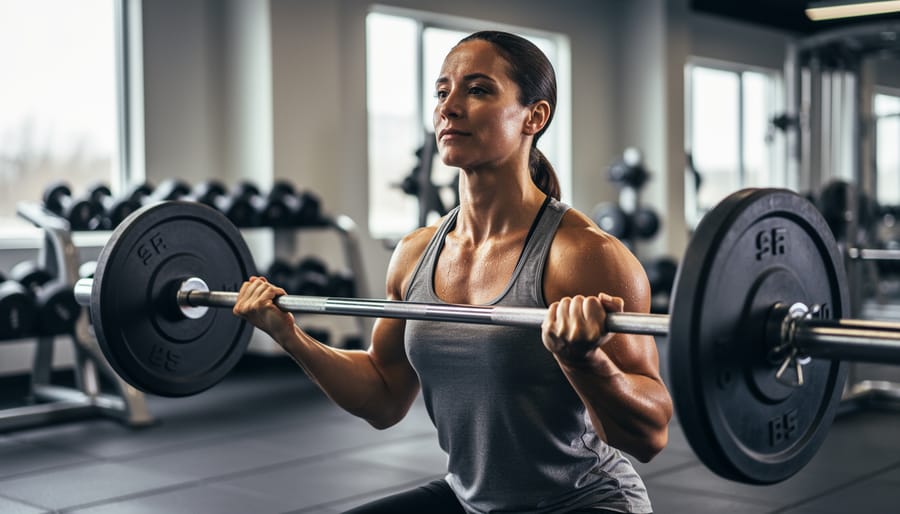
Connor Murphy burst onto the fitness YouTube scene in the mid-2010s with a formula that seemed simple but proved magnetic: show off an impressive physique, film reactions from strangers, and share the training that built it all. His early videos captured attention through social experiments where he’d remove his shirt in public settings, documenting genuine reactions to his muscular build. These weren’t just attention-seeking stunts. They worked because they tapped into something aspirational for his viewers, showcasing what months and years of dedicated training could achieve.
Behind the viral moments, Murphy consistently delivered straightforward bodybuilding content. His workout videos broke down specific muscle groups with practical demonstrations, heavy compound lifts paired with isolation work, and no-nonsense advice on progressive overload. He filmed his training sessions with a raw, unpolished quality that felt authentic compared to heavily produced fitness content. Viewers appreciated the specificity: actual rep ranges, his thought process during sets, and honest discussions about what worked and what didn’t.
This combination of aspirational physique content and actionable training information built his subscriber base steadily. By focusing on transformation, both his own continued progress and the potential transformations of his audience, Murphy carved out a distinct space in the crowded fitness YouTube landscape. His platform grew because he delivered what his target audience wanted: proof that the work pays off, and a blueprint to follow.
The Shift: When Fitness Became Something More
Around 2019 and 2020, Connor Murphy’s YouTube channel took a surprising turn. The prank videos and shirtless encounters that built his following gave way to content that wrestled with bigger questions. He started discussing spirituality, consciousness, and what happiness actually meant beyond the mirror’s reflection.
His videos became longer, more reflective, and harder to categorize. Some followers embraced the evolution, seeing authenticity in his willingness to explore uncomfortable territory. Others felt confused or alienated by the departure from straightforward fitness content. Murphy began openly questioning whether the pursuit of the perfect physique had delivered the fulfillment he’d expected.
This shift revealed something many in the fitness community recognize but rarely discuss openly: physical transformation doesn’t automatically translate to mental wellness. The dedication that builds an impressive body can become consuming. The discipline that creates results can turn obsessive. Murphy’s content during this period documented someone grappling with these tensions in real time.
Whether his approach helped or hindered his own wellbeing remains complex and personal. What’s clear is that his willingness to show vulnerability opened conversations about the psychological dimensions of fitness that the industry often glosses over in favor of before-and-after photos.
The Tragedy in Thailand: What We Know
On July 7, 2026, the fitness community received devastating news. Connor Murphy, the YouTube fitness influencer with over 2.3 million subscribers, died in Bang Phli district of Samut Prakan province, Thailand. A rescue team arrived at a luxury residential area shortly after 3 p.m. local time, where divers later recovered his body from approximately 20 meters offshore.
The circumstances surrounding his death remain under investigation by local authorities. What is certain is that the loss sent shockwaves through the online fitness world, where Murphy had built a substantial following over years of content creation. His influence extended beyond workout videos to touch conversations about body image, transformation, and the pursuit of physical excellence.
The tragedy serves as a sobering reminder that the people we follow online face real struggles behind the curated content. Murphy’s death has prompted many in the fitness community to reflect on the pressures facing content creators, the sustainability of extreme fitness lifestyles, and the relationship between physical pursuits and overall well-being. While we mourn this loss, we can honor his memory by learning from both his achievements and the challenges he faced, using his story to inform our own approach to health and fitness.
Lessons from Connor Murphy’s Approach to Fitness
Training Principles Worth Adopting
Connor Murphy built his physique through several fundamental training principles that remain scientifically sound and applicable to anyone pursuing aesthetic goals. His approach emphasized consistency above all else, training multiple times per week with clear progression targets that kept his body adapting and growing. Rather than following trendy workout fads, he focused on compound movements and progressive overload, steadily increasing weight, reps, or training volume over time to force muscular adaptation.
His content demonstrated several evidence-based practices worth incorporating into your routine:
- Progressive overload through tracked increases in weight or volume each week
- High-frequency training with adequate recovery between sessions
- Mind-muscle connection, focusing on feeling the target muscle work during each rep
- Training to near failure on key sets to maximize muscle fiber recruitment
- Prioritizing compound movements like bench press, squats, and deadlifts as foundation exercises
Murphy also emphasized proper form and full range of motion, particularly in exercises targeting smaller muscle groups. He understood that building an aesthetic physique requires patience and consistent effort rather than extreme measures or shortcuts. Before each training session, he’d take time to stretch properly and activate the muscles he planned to work, reducing injury risk while improving performance.
His structured approach to splits, often training specific muscle groups on designated days, allowed for adequate recovery while maintaining high training frequency. This method works well for both men and women pursuing muscle development, though individual recovery needs vary. The key takeaway is that sustainable progress comes from showing up consistently and challenging yourself incrementally, not from sporadic intense efforts or unsustainable routines.
The Cautions: What to Avoid
While Connor Murphy’s dedication inspired many, some aspects of his approach carried risks worth acknowledging. His content occasionally veered toward promoting an all-consuming focus on aesthetics that could foster unhealthy relationships with body image. The constant pursuit of the “perfect” physique, amplified through social media, sometimes suggested that appearance should dominate other life priorities.
His later, more experimental content raised questions about sustainable wellness practices. Some videos explored substances and approaches without adequate context about potential health consequences. For instance, discussions around topics like vape and exercise or CBD and muscle growth deserve careful, evidence-based consideration rather than casual experimentation.
The intensity of his transformation-focused messaging could set unrealistic timelines for physique changes, particularly problematic for younger followers still developing their relationship with fitness. Extreme dedication without balancing recovery, nutrition flexibility, and life outside the gym creates a blueprint for burnout rather than lifelong wellness.
Perhaps most importantly, the pressure to maintain a certain look for content and audience expectations can transform fitness from a health practice into a source of stress. His journey reminds us that chasing external validation through physical appearance alone leaves crucial aspects of wellness unaddressed, including mental health, relationships, and purpose beyond the mirror.
The Mental Health Side of Fitness Culture
The fitness influencer space has fundamentally changed how we think about bodies, goals, and success, but it’s also created a perfect storm for mental health struggles. When millions of people watch someone transform their physique or maintain an extraordinary standard day after day, it shapes expectations in ways that aren’t always healthy. Connor Murphy’s massive following of over 2.3 million subscribers gave him tremendous reach, but it also placed him under constant scrutiny and created immense pressure to maintain an image that may have become unsustainable.
Body dysmorphia runs rampant in fitness culture, affecting both the influencers creating content and the followers consuming it. You see someone with an incredible physique posting daily, and suddenly your own progress feels inadequate. What you don’t see are the lighting tricks, the dehydration protocols before photos, the genetic advantages, or sometimes the pharmaceutical assistance. This distorted reality makes people chase standards that may be unattainable or unhealthy for their individual circumstances. Research consistently shows that excessive exposure to idealized fitness content correlates with increased body dissatisfaction, disordered eating patterns, and exercise addiction.
The pressure works differently for creators than followers, but both groups suffer. Influencers often feel trapped by their own success, needing to maintain the physique that built their platform while dealing with constant commentary about their bodies. One off-season, one period of normal life stress that affects training, and the audience questions what happened. For followers, the comparison trap never closes because there’s always another transformation video, another person with better genetics, another routine that promises faster results.
Balancing physical and mental wellness requires honest conversations about what we’re really pursuing. Are you training because it genuinely improves your life, or because you’ve internalized impossible standards? Do your fitness goals energize you, or do they create constant anxiety? These distinctions matter enormously. Physical activity should enhance mental health through stress relief, confidence building, and the satisfaction of progress. When it instead generates shame, obsession, or self-hatred, something has gone wrong. Practices like mindfulness training or even simple activities to start yoga can help reconnect the mind-body relationship in healthier ways, shifting focus from appearance to how movement actually feels.
The fitness community needs to acknowledge that muscles and aesthetics don’t equal happiness or mental stability. Connor Murphy’s journey illustrated this tension painfully. We can appreciate physical achievement without worshipping it, and we can pursue our own goals without sacrificing our mental well-being on the altar of someone else’s highlight reel.
Building Your Own Balanced Fitness Approach

Setting Healthy, Achievable Goals
Start by choosing one primary goal that genuinely excites you, whether that’s adding muscle, improving endurance, or simply feeling stronger in daily activities. Make it specific and measurable, “build visible arm definition within six months” works better than “get bigger arms”, but tie it to function or how you want to feel, not just appearance. This connection keeps motivation intrinsic rather than dependent on external validation.
Break your main goal into smaller weekly or monthly milestones you can track without obsessing. For men focused on strength, this might mean adding five pounds to your bench press each month. Women prioritizing toning could track bodyweight exercises, progressing from knee push-ups to full push-ups over eight weeks. These incremental wins provide regular encouragement without demanding perfection.
Set a flexible timeline that accounts for life’s realities. Progress isn’t linear, and plateaus happen to everyone. If you miss a workout or have an off week, adjust and continue rather than abandoning the goal entirely. Build in periodic check-ins every four to six weeks to assess whether your objectives still align with your lifestyle and values, making adjustments as needed. The goal serves you, not the other way around.
Prioritizing Mental Health Alongside Physical Gains
Recognize that your mental state directly influences your training quality and results. Check in with yourself before workouts, if you’re exhausted, anxious, or burned out, adjust your plan rather than pushing through. Rest days aren’t setbacks; they’re essential recovery periods that prevent both physical injury and mental fatigue.
Build mental health practices into your routine just as deliberately as your workout schedule. This might include journaling about how exercise makes you feel (not just how you look), practicing mindfulness or meditation, or working with a therapist if you’re noticing obsessive thoughts about food or body image. For women especially, honoring your menstrual cycle by adjusting training intensity can support both hormonal balance and psychological well-being.
Create boundaries with fitness content and social media. Unfollow accounts that trigger comparison or make you feel inadequate. If tracking macros or weighing yourself becomes anxiety-inducing rather than informative, take breaks from those habits. Your relationship with fitness should add joy and energy to your life, not drain it. If exercise starts feeling like punishment or you can’t take rest without guilt, reach out to a healthcare professional, these are signs your fitness journey needs recalibration.
Finding Inspiration Without Comparison
Connor Murphy’s massive following showed the power of fitness content to inspire change, but it also highlighted the dangers of measuring your progress against someone else’s highlight reel. When you scroll through fitness content, remember that what you see represents years of training, favorable lighting, strategic timing, and often the best moment of someone’s best day. You’re comparing your chapter one to their chapter twenty.
The healthiest approach treats influencers as sources of workout tips and general motivation rather than standards you must match. Extract what serves you: a new exercise variation, a perspective on consistency, or simply proof that transformation is possible. Then close the app and focus on your own journey. Track your progress against your past self, not against someone else’s genetics, circumstances, or full-time fitness dedication.
Set boundaries with social media consumption. If certain accounts make you feel inadequate rather than motivated, unfollow them. Curate a feed that educates and encourages without triggering negative self-talk. Your body will never look exactly like anyone else’s, and that’s perfectly fine. The goal isn’t to become Connor Murphy or any other influencer. The goal is to become the strongest, healthiest version of yourself.
Connor Murphy’s passing reminds us that behind every impressive physique and inspiring transformation is a complete human being navigating their own struggles. His legacy in the fitness community extends beyond the workouts he shared with over 2.3 million subscribers, it challenges us to rethink what wellness truly means.
The best way to honor his impact isn’t to chase perfection or push ourselves toward extremes. It’s to approach fitness as one part of a larger picture that includes mental health, relationships, rest, and joy. Your body can be strong while your mind needs support, and recognizing that isn’t weakness, it’s wisdom.
As you continue your own fitness journey, remember that progress looks different for everyone. Some days you’ll crush your workout. Other days, simply showing up is the victory. What matters is building something sustainable that makes you feel better, not just look better.
If you’re struggling with body image, obsessive thoughts about training or eating, or feelings that exercise has become more burden than benefit, reach out. Talk to a friend, a family member, or a mental health professional. Seeking help demonstrates the same courage it takes to attempt a personal record.
Connor Murphy’s story matters because it’s real. Let it guide you toward balance, self-compassion, and the understanding that true strength includes knowing when to push forward and when to pause and heal.
